Category: Cities & Culture

  • Athens and Mykonos: Ancient History, Local Food, and Aegean Days

    Athens and Mykonos: Ancient History, Local Food, and Aegean Days

    In 2025, after nearly a year of planning, we spent our first days in Greece exploring Athens before island-hopping to Mykonos. That planning time mattered — it let us combine major historical sites with local food, a couple of fun ways to see the city, and enough breathing room that the trip never felt rushed.

    Where we stayed in Athens

    We based ourselves at the Electra Palace Hotel, close enough to Plaka and the Acropolis to reach everything on foot. For a first stay in Athens, staying walkable to the old city matters more than almost any other decision — it turns dead transit time into wandering time.

    Why a private Acropolis guide mattered

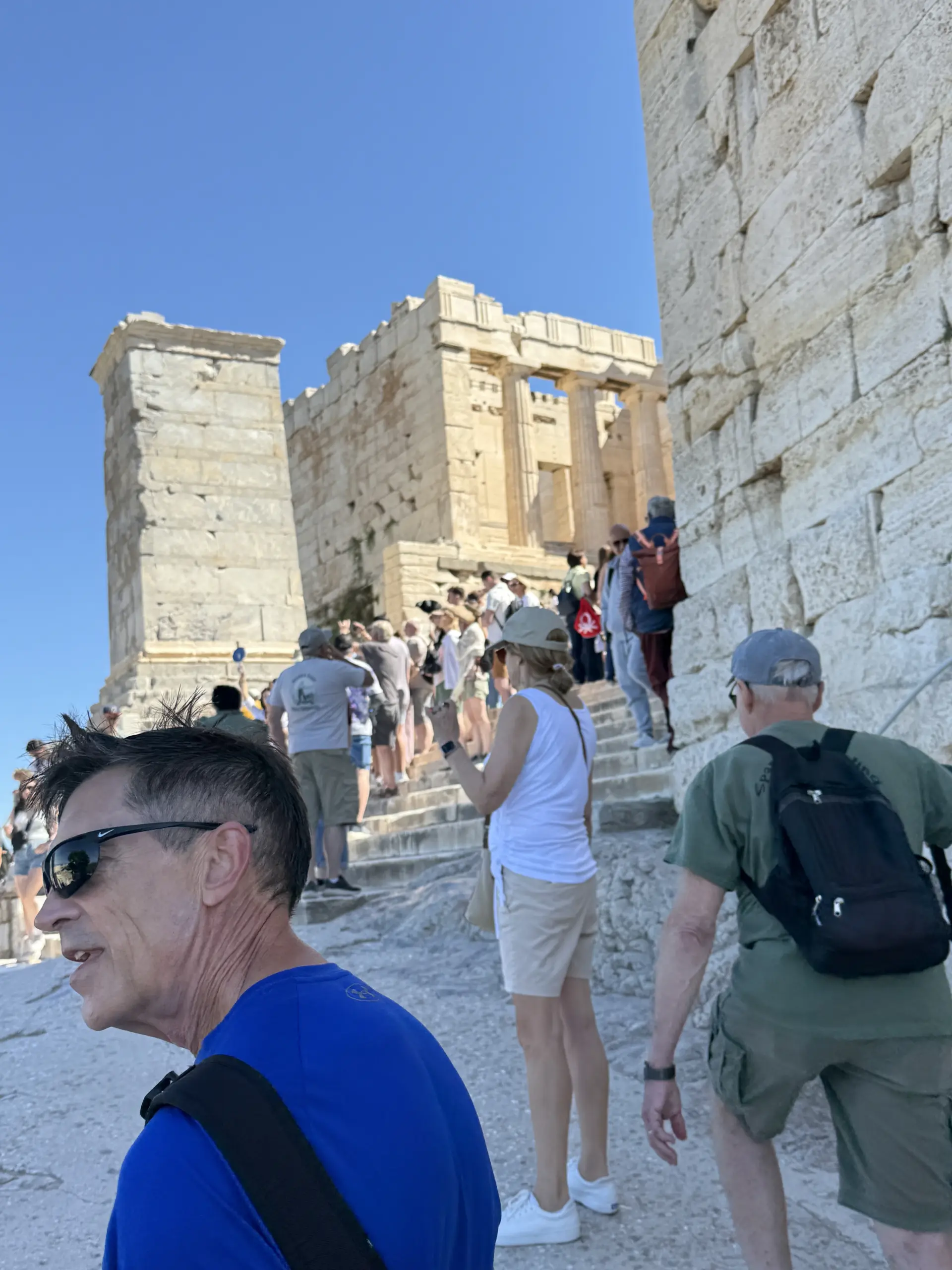
    One of the best decisions we made was arranging a private, half-day walking tour of the Acropolis with an exceptionally knowledgeable guide.

    Rather than simply looking at the structures, we learned about their purpose, construction, history, and importance. The guide connected everything we were seeing — the Parthenon, the Erechtheion, the theater below — into a single story instead of a list of ruins, and paced the four hours so we never felt rushed or overwhelmed.

    For travelers with limited time, the right private guide can turn a complicated historical site into something genuinely memorable, while keeping the experience focused on what you actually care about.
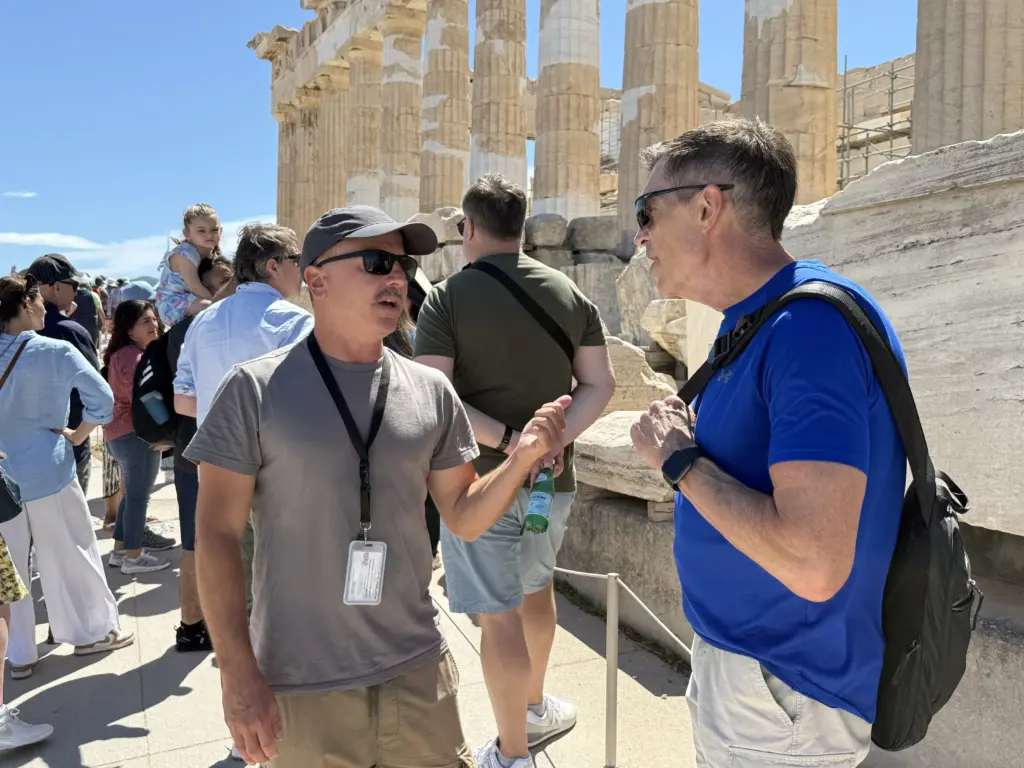
    Acropolis private guide.

    Tasting Athens

    A food-tasting tour added a completely different dimension to the trip — a half-day walking tour through the city sampling more than eighteen iconic Greek foods and dishes, from street food to local specialties most visitors would never find on their own.

    Food tours are especially valuable early in a trip because they introduce you to dishes, markets, and neighborhoods you’ll want to return to on your own later — which is exactly what happened for us in Plaka.
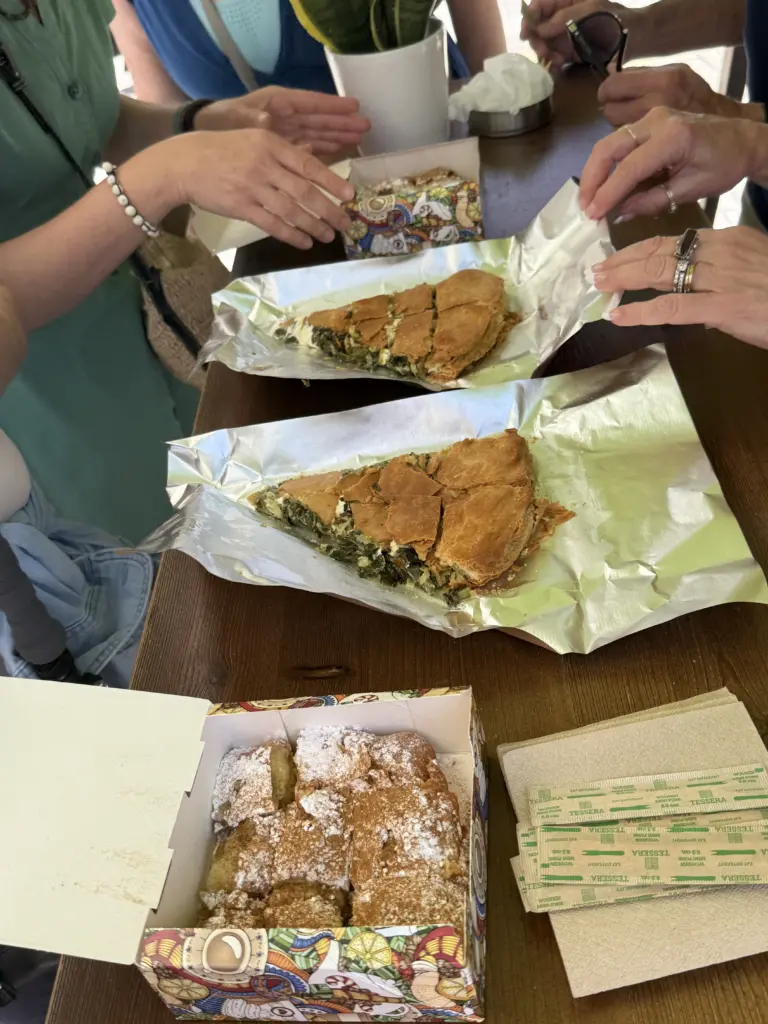
    Athen's 4 hr. food tasting tour.

    Seeing Athens two very different ways

    We layered in two more ways to experience the city on top of the walking and guided time: a TukTuk tour through the streets in the evening, and a Segway tour through modern Athens after that. Both covered ground on foot would have taken far longer, and seeing the city lit up in the evening gave it a completely different character than the daytime walking tour.

    Tuktuk private city tour.

    One of the best moments of the trip happened almost by accident — catching Athens from a hillside viewpoint as the sun dropped low over the city, the whole skyline stretching out below. If your itinerary allows for it, building in one unscheduled hour near sunset, somewhere with a view, is worth more than another checklist stop.
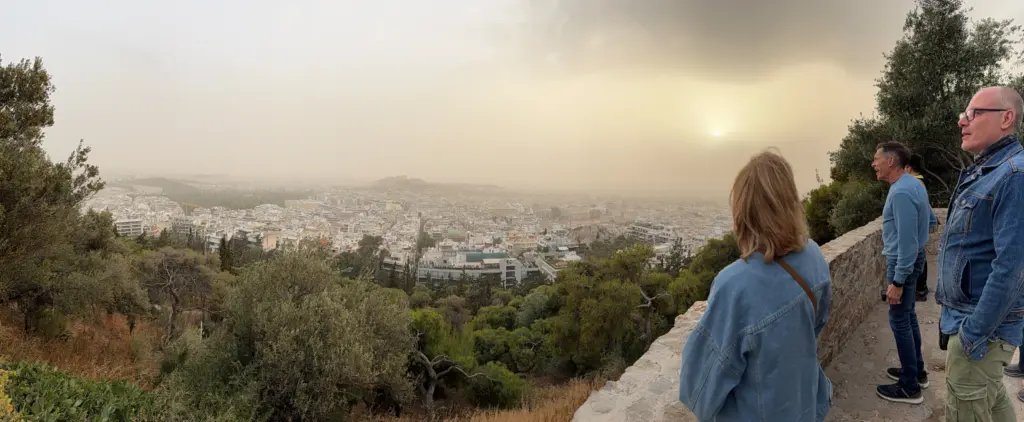
    Athens Mt. Lycabettus view of the city.

    If you only have a few days in a city like Athens, mixing a slower, guided historical experience with a faster, more playful way of covering ground is a good way to get both depth and breadth out of limited time.

    Plaka, on our own

    With the guided and scheduled parts of the trip anchoring each day, we left time to just wander Plaka — Athens’ oldest neighborhood — without an agenda. Some of the best travel moments come from unstructured time dropped into a well-planned schedule, not despite the planning, but because of it. Knowing the major sites were handled meant we could wander freely without worrying we were missing something important.
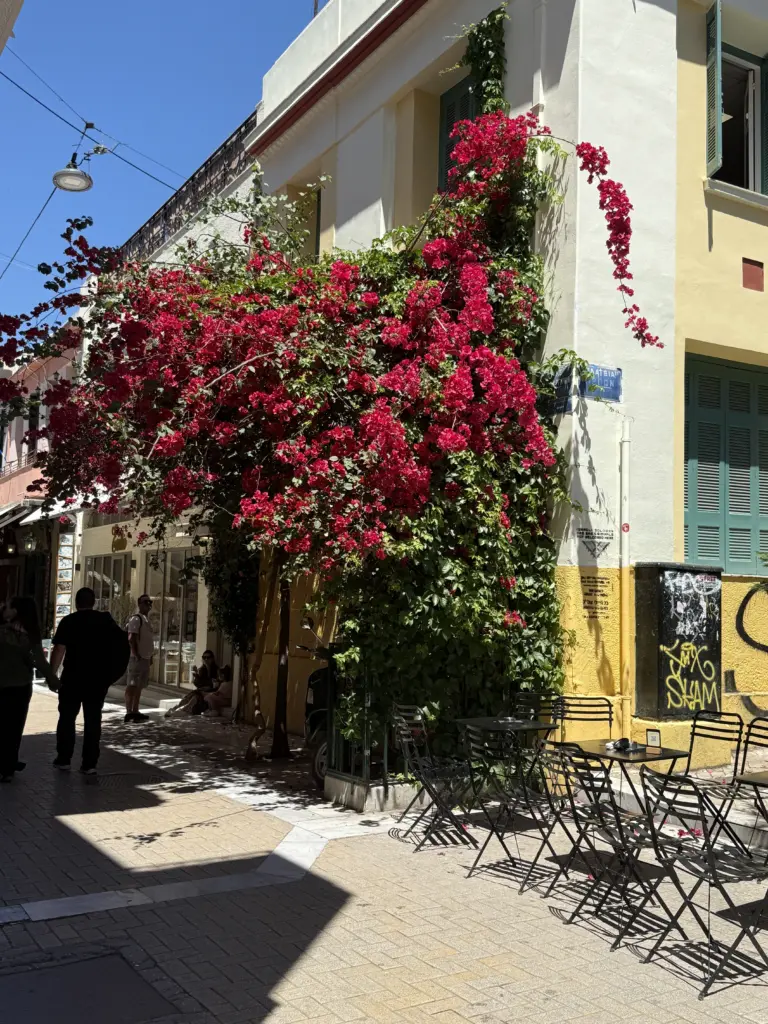
    Plaka Bougaincillea Street from walking food tour.

    On to Mykonos

    From Athens, we ferried to Mykonos and settled into the Vencia Boutique Hotel. The shift in pace was immediate — Athens is dense, historic, and layered; Mykonos is open, whitewashed, and a much slower rhythm.
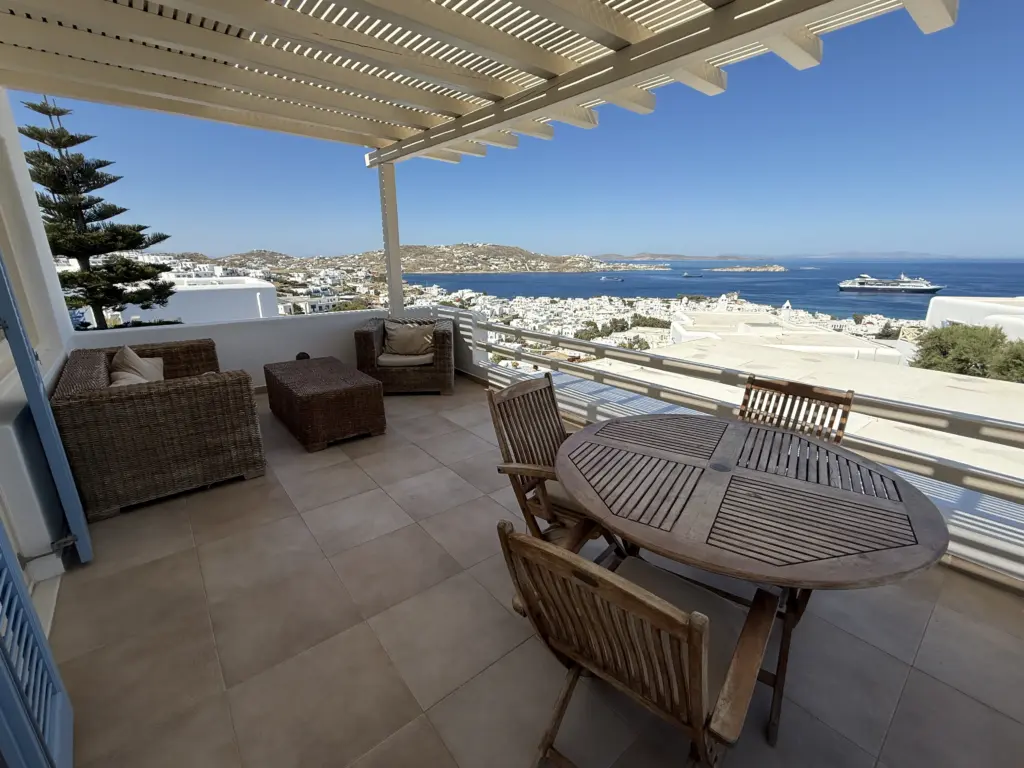
    Mykonos view from hotel balcony.

    A Greek cooking class turned out to be one of the best decisions of the whole trip. Instead of just eating Mykonian food, we learned how it’s actually made — hands-on, with local ingredients, and none of the rush of a restaurant meal. It’s the kind of experience that stays with you longer than another sightseeing stop would, and it gave us a real feel for the island beyond its beaches.

    We spent another day simply exploring Mykonos Town on foot — the narrow whitewashed streets, the small boutiques and shops tucked into every corner, and the famous windmills overlooking the harbor. Little Venice and the windmills are the postcard image of Mykonos for a reason, but walking there yourself, without a set itinerary, is what makes the island feel real rather than staged.
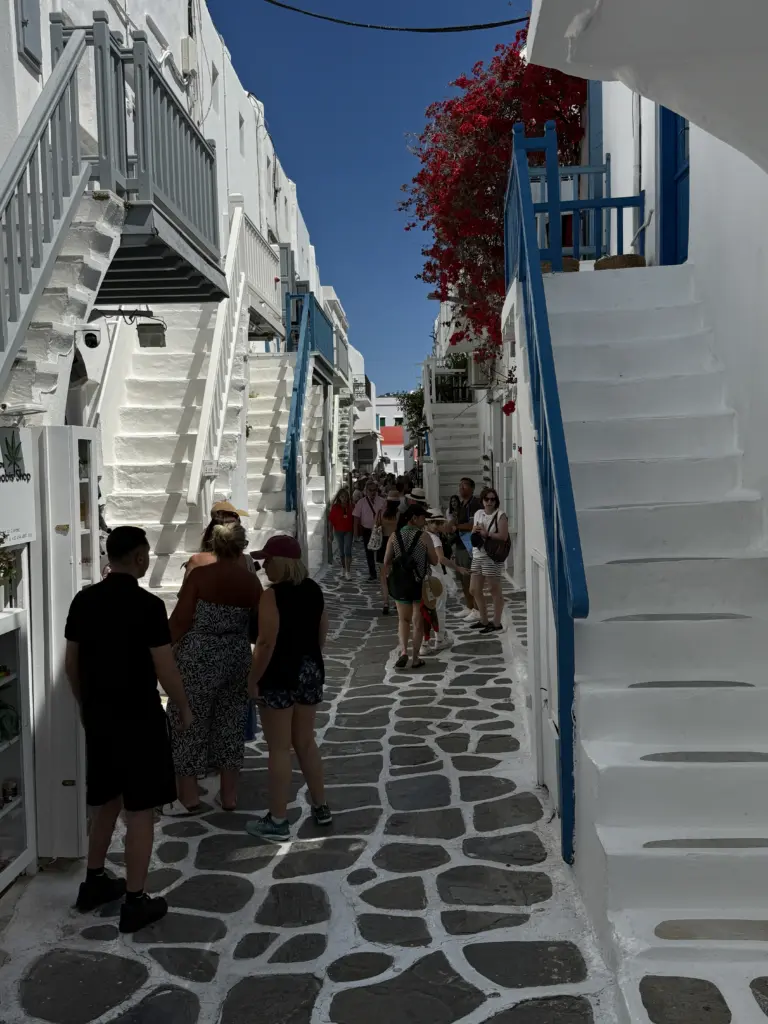
    Mykonos town shopping corridors.

    Athens and Mykonos together

    Pairing an ancient capital with an island escape is one of the most natural combinations in Greek travel, and it’s exactly why so many first-time visitors do some version of this route. The contrast is the point — dense history and guided learning in Athens, followed by hands-on local culture and unhurried wandering in Mykonos — and getting the balance right between structured time and free time is most of what makes a short multi-stop trip actually work.

    Thinking about a trip like this? I can help you sequence the sites, guides, and islands so your time is used well from the first day to the last.
  • Barcelona in Four Days: Gaudí, Las Ramblas, and Thoughtful Planning

    Barcelona in Four Days: Gaudí, Las Ramblas, and Thoughtful Planning

    Four thoughtfully planned days in Barcelona brought together Gaudí’s imaginative architecture, the energy of Las Ramblas, and time to experience the city beyond a checklist.

    In 2018, I spent four days exploring Barcelona. Because our time was limited, we began planning nearly a year beforehand. That preparation helped us experience several of the city’s highlights without turning every day into a race.

    Where we stayed

    We based ourselves at Hotel Jazz, centrally located and an easy starting point for reaching Barcelona’s major neighborhoods on foot or by quick transit connection. For a first trip to Barcelona, a central hotel matters more than almost any other decision — it turns what could be long transit days into short walks.

    Experiencing Gaudí’s Barcelona

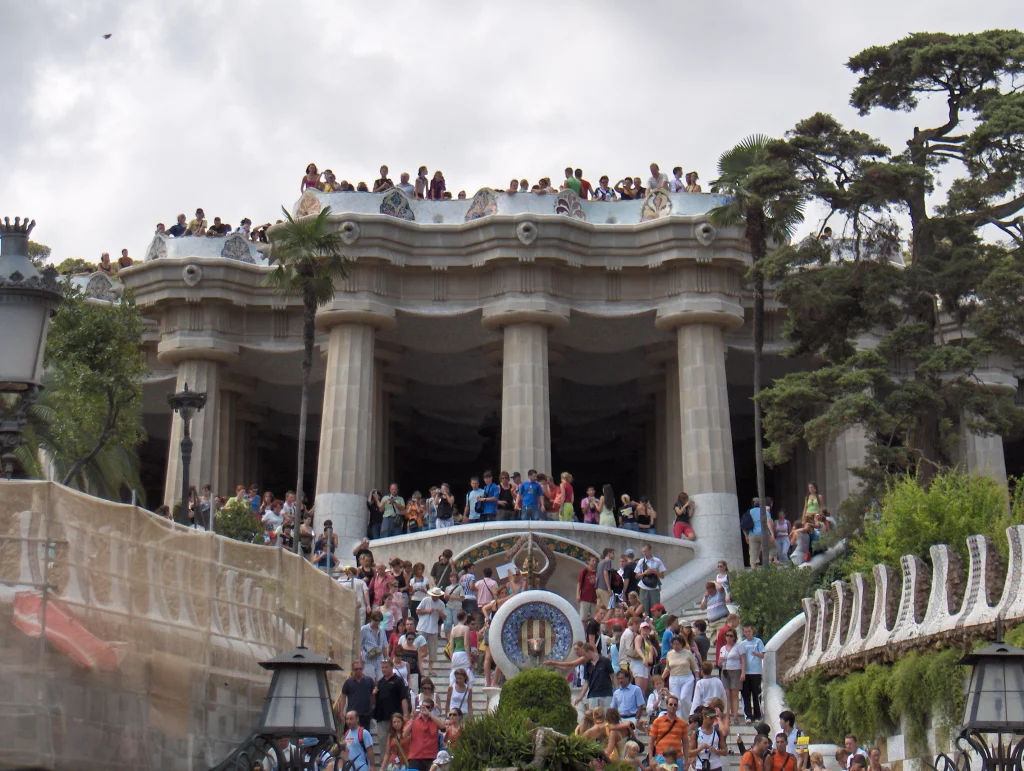
    Gaudí’s architecture was the clear highlight of the trip. We spent time at Park Güell, including the Hypostyle Room — the forest of tilted stone columns beneath the main terrace, originally designed as a covered market space. It’s one of those spaces that photographs well but feels even stranger and more wonderful in person, with the columns leaning at angles that shouldn’t feel stable but somehow do.

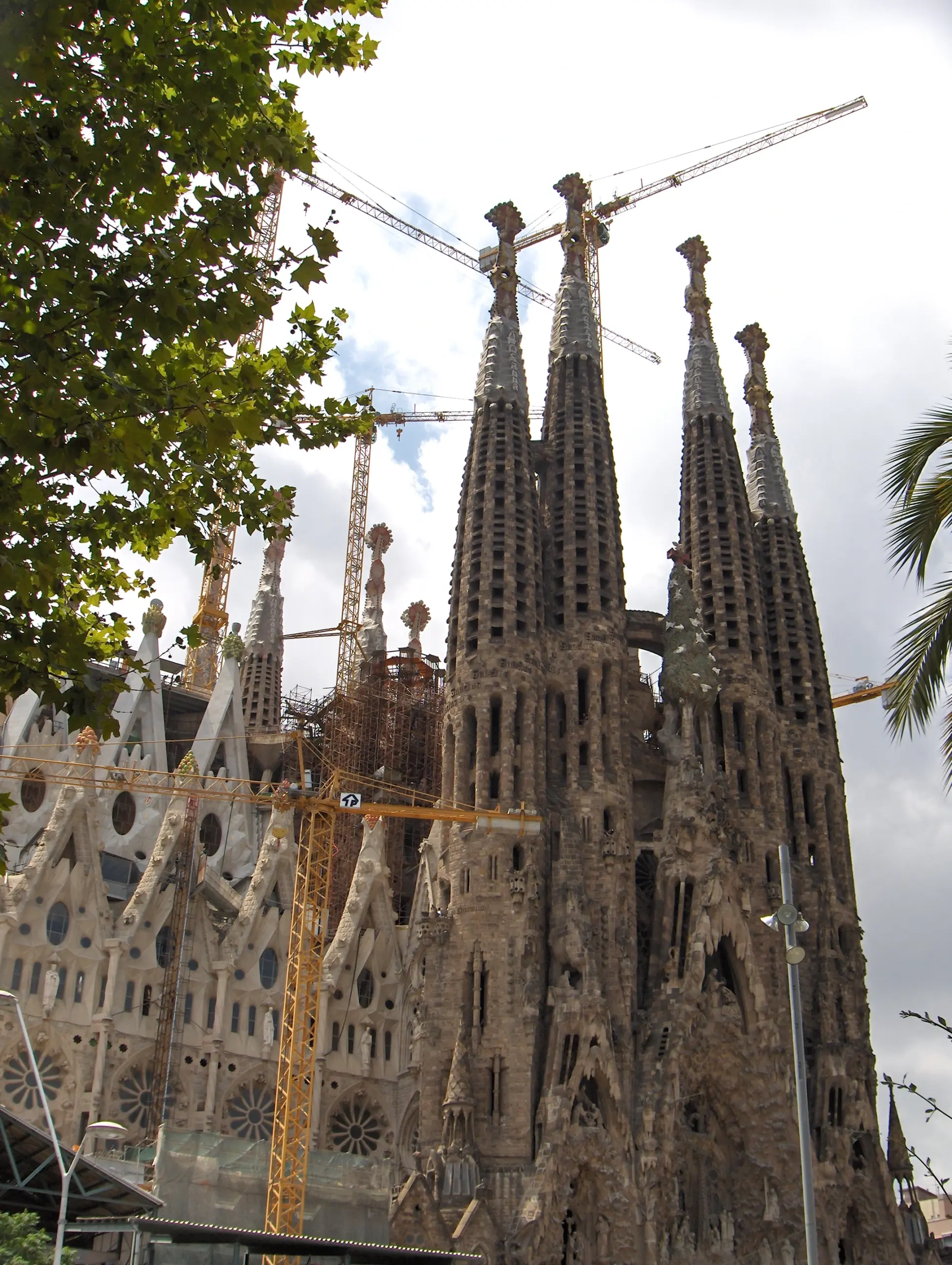
    We also made a point of seeing the Sagrada Família from the street, even years into its ongoing construction. Watching the towers rise behind active cranes is its own kind of remarkable — a reminder that this is a building still very much being built, more than a century after Gaudí began it.

    These buildings are more than sightseeing stops. They make architecture feel imaginative and alive, and they give Barcelona a personality unlike any other city.

    Making Four Days Count

    Our year of advance planning helped us group nearby attractions, secure admission to important sites, and avoid losing valuable time deciding what to do each morning.

    A successful short visit does not require filling every available hour. The goal is to prioritize the experiences that matter most while leaving enough flexibility to enjoy what you discover along the way.

    Las Ramblas and the Gothic Quarter

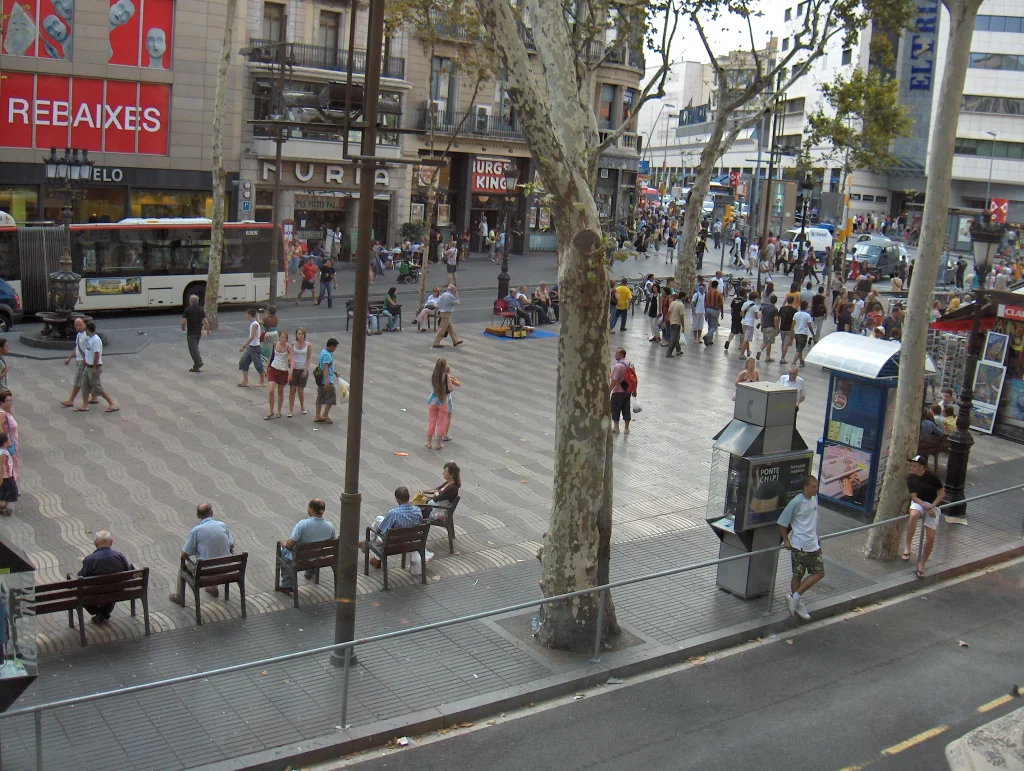
    No first trip to Barcelona is complete without a walk down Las Ramblas — the wide, tree-lined pedestrian boulevard that runs through the heart of the city, full of street performers, newsstands, and people-watching. It’s touristy, and it knows it, but it’s worth experiencing at least once for the sheer energy of it.

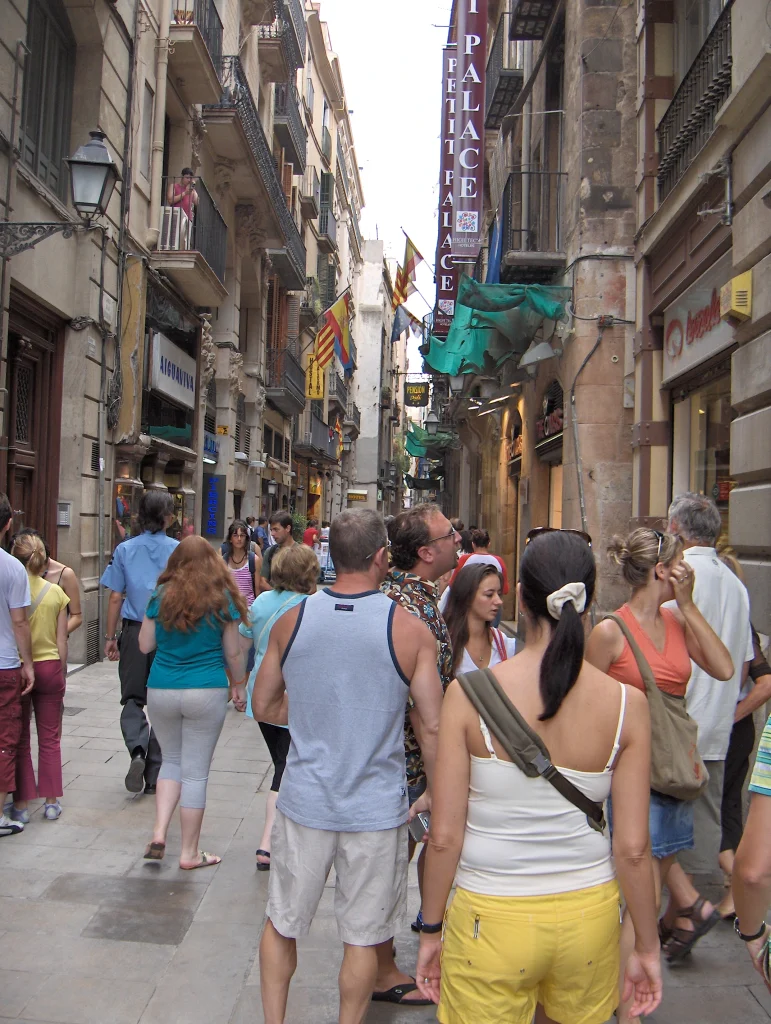
    From there, we ducked into the Gothic Quarter — narrow medieval streets a world away from the boulevard, lined with small hotels, shops, and centuries-old stone buildings. This is where we found the best tapas of the trip: small plates, unhurried meals, and the kind of neighborhood atmosphere that Las Ramblas, for all its energy, doesn’t really have.

    Seeing the city from above

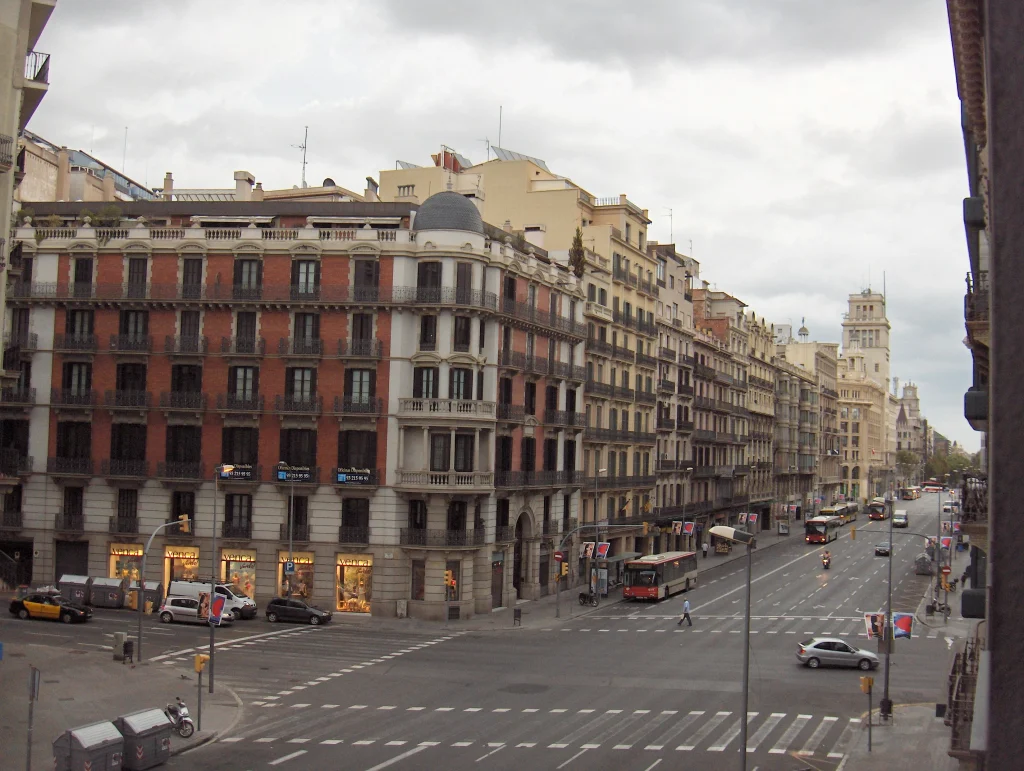
    A hop-on-hop-off bus tour turned out to be a smart way to get oriented in a city we didn’t know well, letting us cover more ground between neighborhoods without burning through our limited days on transit logistics. It’s an easy way to see Barcelona’s grand boulevards and grid-planned Eixample district without mapping out bus routes on your own.

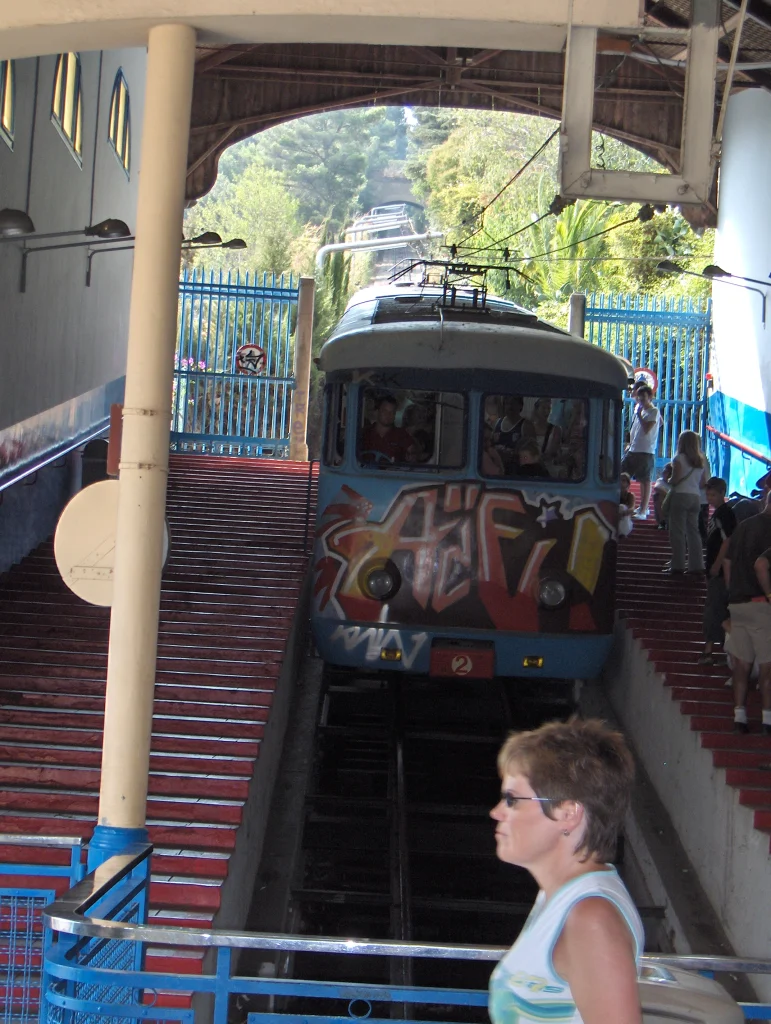
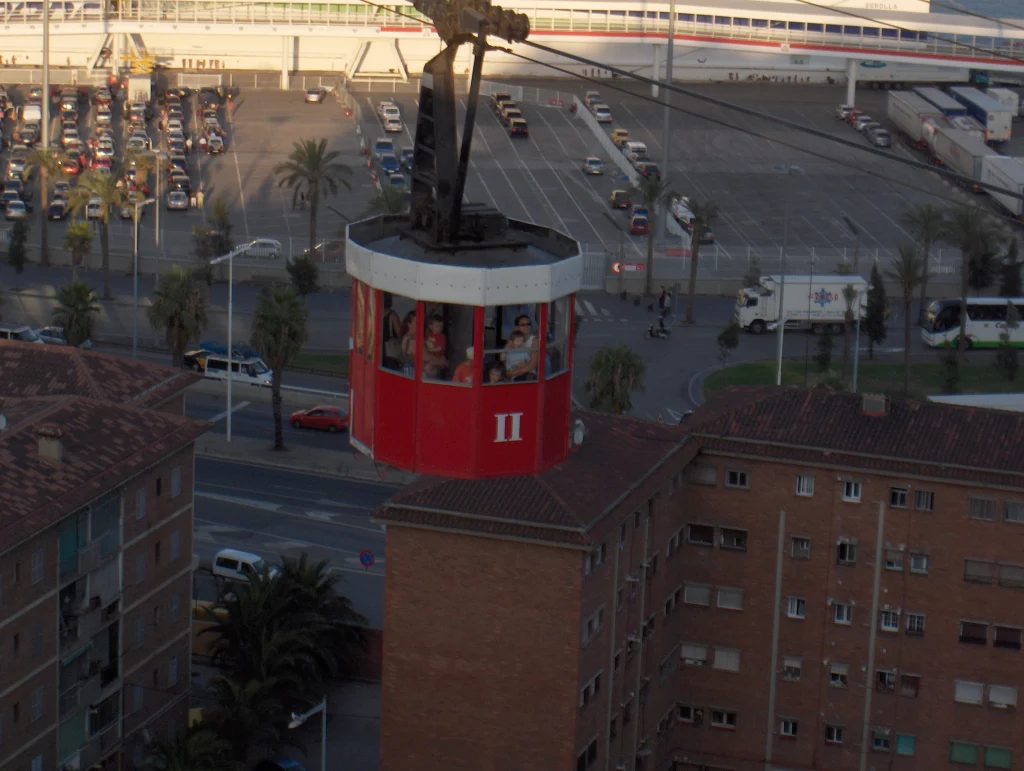
    We rode the cable car up toward Montjuïc for sweeping views over the harbor and the city — one of those experiences that’s hard to replicate on foot, and worth the ride up alone.

    The beach and the harbor

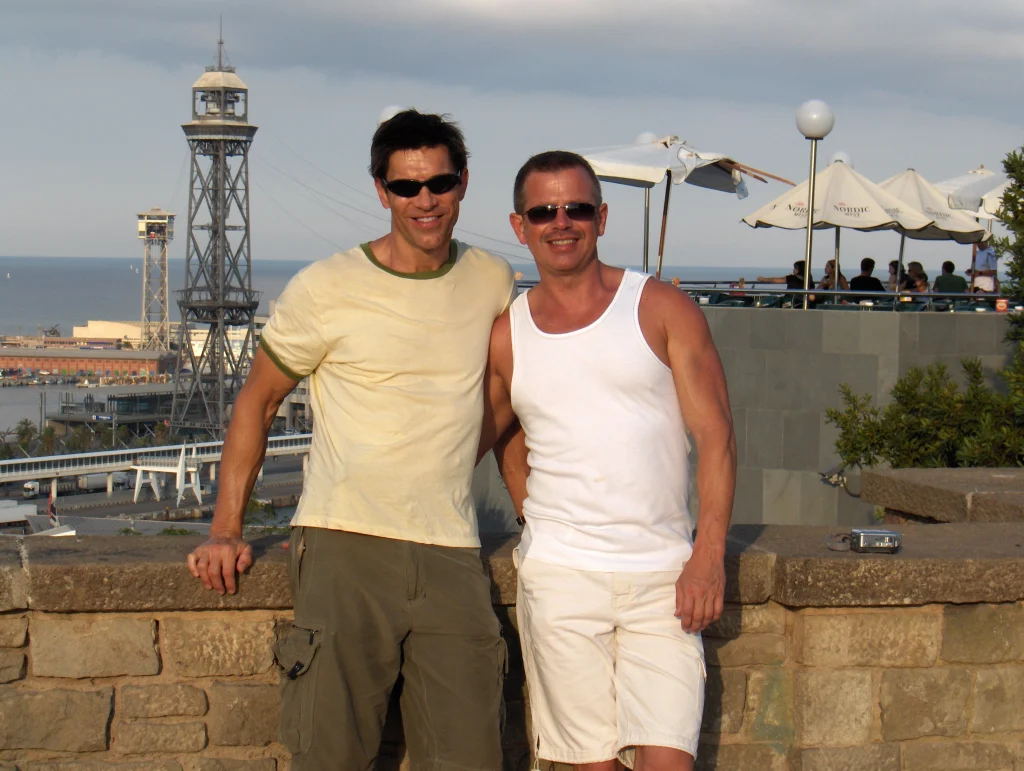
    Barcelona’s beachfront doesn’t always make the top of first-timers’ lists, but we spent time along the harbor and beach area, watching the cable cars glide overhead between the city and Montjuïc. It’s a different side of Barcelona — open water and open sky after days of dense architecture and narrow streets — and a good way to slow the pace before flying home.

    Making four days count

    Our year of advance planning helped us group nearby attractions, secure admission to important sites, and avoid losing valuable time deciding what to do each morning.

    A successful short visit does not require filling every available hour. The goal is to prioritize the experiences that matter most while leaving enough flexibility to enjoy what you discover along the way.

    Is Barcelona right for you?

    Barcelona is especially appealing to travelers who enjoy architecture, art, city walking, distinctive neighborhoods, and cultural experiences. Four days can provide an excellent introduction when the itinerary is planned carefully.

    Thinking about visiting Barcelona? I can help you compare neighborhoods, organize your priority attractions, and create a journey designed around the time and experiences that matter to you.

  • Positano: A Personal Look at Italy’s Amalfi Coast

    Positano: A Personal Look at Italy’s Amalfi Coast

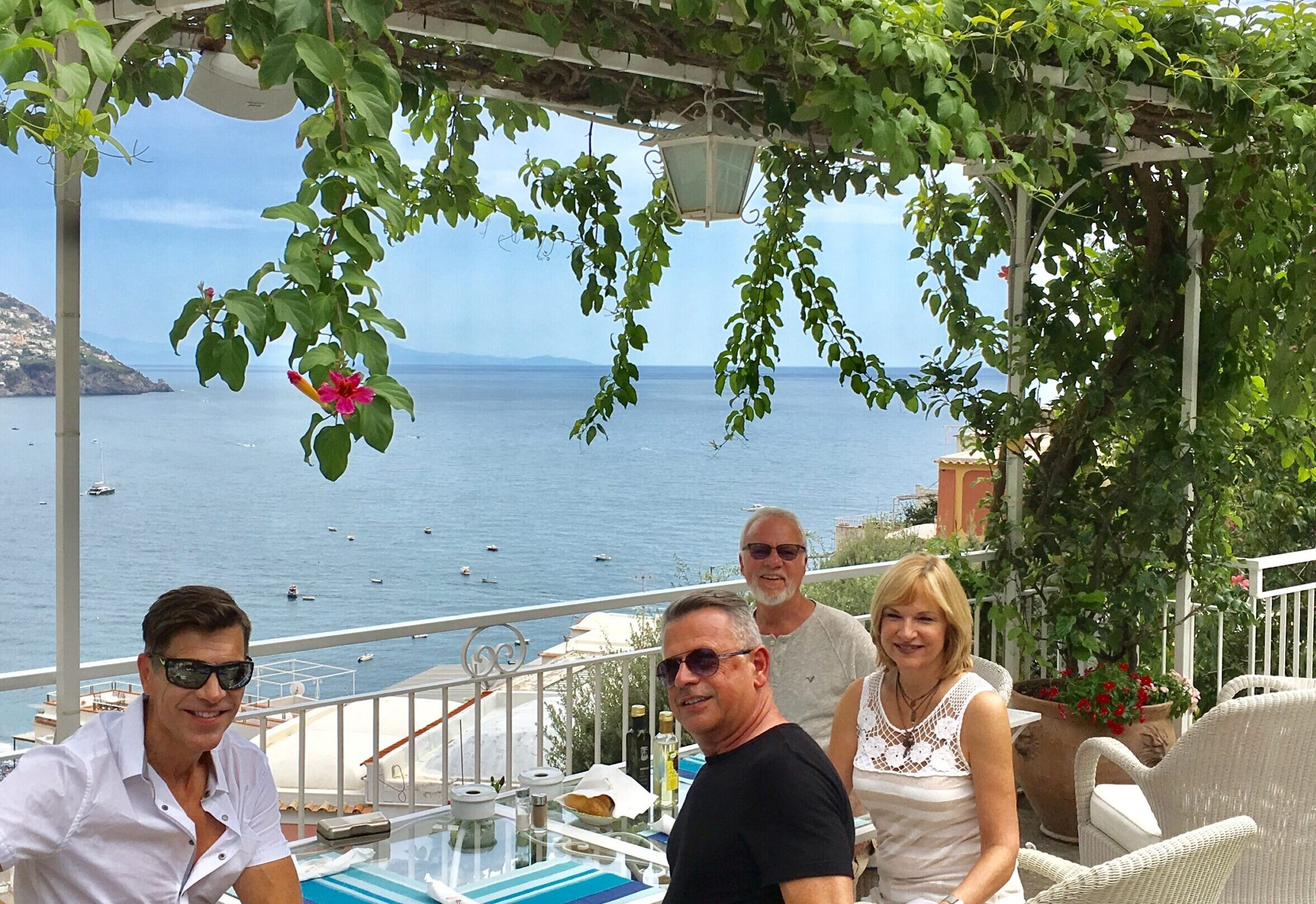
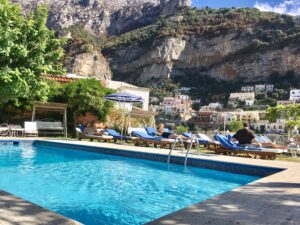
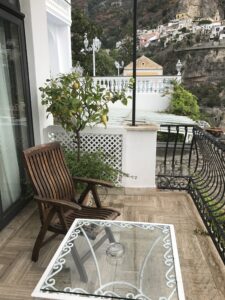
    In 2022, I spent four days in Positano with three longtime friends. We stayed at Hotel Poseidon, surrounded by the dramatic scenery that makes Italy’s Amalfi Coast so memorable.

    Why Positano Stays With You

    Positano is one of those places that feels distinctive from the moment you arrive. Colorful buildings cling to the hillside, the Mediterranean stretches out below, and beautiful views seem to appear around every corner.

    What I enjoyed most was experiencing the town at a relaxed pace. We ate at small local restaurants, walked the narrow streets, and explored the quaint shops tucked along the hillside. Sharing those experiences with longtime friends made the trip particularly memorable.

    The Streets Are Part of the Experience

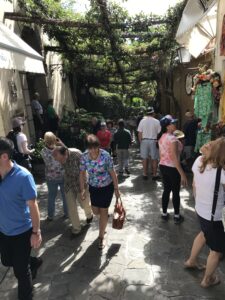
    One of the biggest surprises was just how narrow the roads and streets are. The compact layout gives Positano much of its charm, but it also means visitors should be prepared for hills, steps, tight passages, and plenty of walking.

    Comfortable shoes are essential. Travelers with mobility concerns should also look carefully at a hotel’s location and accessibility before booking. A property that looks close to the center on a map may still require navigating steep streets or numerous steps.

    Bringing a Little Positano Home

    While exploring the shops, we bought aprons decorated with Positano-themed graphics. They became more than souvenirs.

    After returning home, we wore the aprons for an Italian dinner party with friends. We taught our guests how to make ravioli, and then everyone sat down together to enjoy the meal.

    It was a fun way to recreate a small part of our time in Italy. The aprons still remind us that some of the best travel memories continue long after the journey ends.

    A Day Near Mount Vesuvius

    During our visit, we also took an excursion to Mount Vesuvius. Seeing the famous volcano added a different dimension to our Amalfi Coast experience.

    One of the highlights was having lunch at a vineyard near the mountain. Enjoying local food and wine in that setting was a wonderful contrast to the coastal atmosphere of Positano and became one of the lasting memories of our trip.

    Choosing the Right Hotel

    My most important advice is to make sure your hotel offers the experience you want. Positano has many properties with amazing views, but location, accessibility, room features, and transportation options can vary considerably.

    We stayed at Hotel Poseidon and appreciated having the beautiful coastal scenery as part of our stay. Before reserving any hotel, consider what matters most to you: the view, proximity to restaurants and shops, the number of stairs, access to transportation, or simply having a peaceful place to relax.

    The right hotel can become an important part of the Positano experience rather than just somewhere to sleep.

    Is Positano Right for You?

    Positano is especially appealing to travelers who enjoy beautiful scenery, intimate restaurants, local shops, and exploring a destination on foot. It can be an excellent choice for couples, friends traveling together, celebrations, or anyone wanting to experience the character of the Amalfi Coast.

    The hills and narrow streets require some planning, but they are also part of what makes Positano unlike anywhere else.

    Our four days gave us time to enjoy the town, share meals, explore the surrounding area, and create wonderful memories with friends. Positano’s remarkable views initially capture your attention, but its atmosphere and shared experiences are what stay with you.

    Thinking about visiting Positano or the Amalfi Coast? I can help you compare hotels, understand their locations, and create a journey designed around the experience you want.